

When replacing tires, you should expect a manufacturer warranty that covers defects in materials and workmanship, typically ranging from 20,000 to 80,000 miles depending on the tire type. This protection ensures that if a tire fails due to a manufacturing error, the manufacturer will repair or replace it. Understanding the specific terms of this coverage is essential for protecting your investment and ensuring long-term safety on the road.
Types of Tire Warranty Coverage
Most new tires come with two distinct layers of protection: the manufacturer's warranty and the retailer's warranty. The manufacturer's warranty is the primary defense against defects. It is a contractual promise that the tire will perform according to its design specifications for a set period or mileage. If the tire develops a defect, such as a sidewall bubble or tread separation caused by a manufacturing flaw, the manufacturer is responsible for the remedy.
The retailer's warranty, often called a service guarantee, covers the installation process. This protection ensures that if the tire is mounted incorrectly or if the shop fails to perform necessary checks like balancing, the retailer will fix the issue at no cost. At Redwood General Tire Pros, we emphasize the importance of both layers. Our ASE-certified technicians ensure that every installation meets strict standards, providing you with confidence that the service component of your warranty is fully honored.
Mileage Limits and Coverage Terms
The length of a tire warranty is usually defined by a mileage limit or a time period, whichever comes first. Premium touring tires often carry warranties of 60,000 to 80,000 miles, while performance tires may have shorter limits of 20,000 to 40,000 miles. These limits reflect the expected lifespan of the tire under normal driving conditions. It is crucial to read the fine print, as some warranties only cover a percentage of the tire's cost after a certain mileage threshold is reached.
For example, a warranty might cover 100% of the cost for the first 10,000 miles and then decrease to 50% for the remainder of the coverage period. This tiered structure is common in the industry. Understanding these terms helps you make an informed decision when choosing between different tire brands. You can explore various options and their specific warranty details by browsing our tire selection to find the best fit for your driving needs.
Common Exclusions and Voiding Conditions
It is vital to understand what is not covered by a tire warranty. Most manufacturers explicitly exclude damage caused by improper inflation, road hazards, or misuse. If a tire is underinflated, it can overheat and fail, which is considered user error rather than a manufacturing defect. Similarly, damage from potholes, curbs, or debris is typically not covered. These exclusions exist because the driver has control over these factors, and they significantly impact tire longevity.
Improper maintenance is another major reason for warranty voiding. Failure to rotate tires as recommended can lead to uneven wear, which may be deemed a voidable condition. To avoid these pitfalls, regular maintenance is key. Scheduling a tire rotation every 5,000 to 7,000 miles helps ensure even wear and keeps your warranty valid. This simple step can extend the life of your tires and protect your warranty coverage.
The Warranty Claim Process
If you suspect a tire defect, the first step is to document the issue. Take clear photos of the damage and note the date, mileage, and conditions under which the failure occurred. Contact the retailer where you purchased the tires to initiate the claim. They will typically inspect the tire and determine if the damage falls under the manufacturer's warranty. If approved, the retailer will coordinate with the manufacturer to arrange for a repair or replacement.
The process can take several weeks, depending on the manufacturer's response time. It is important to keep your receipt and warranty documentation safe throughout this period. At Redwood General Tire Pros, we assist customers with the claim process, ensuring that all necessary information is provided to the manufacturer. Our team handles the communication, saving you time and effort while you wait for the resolution.
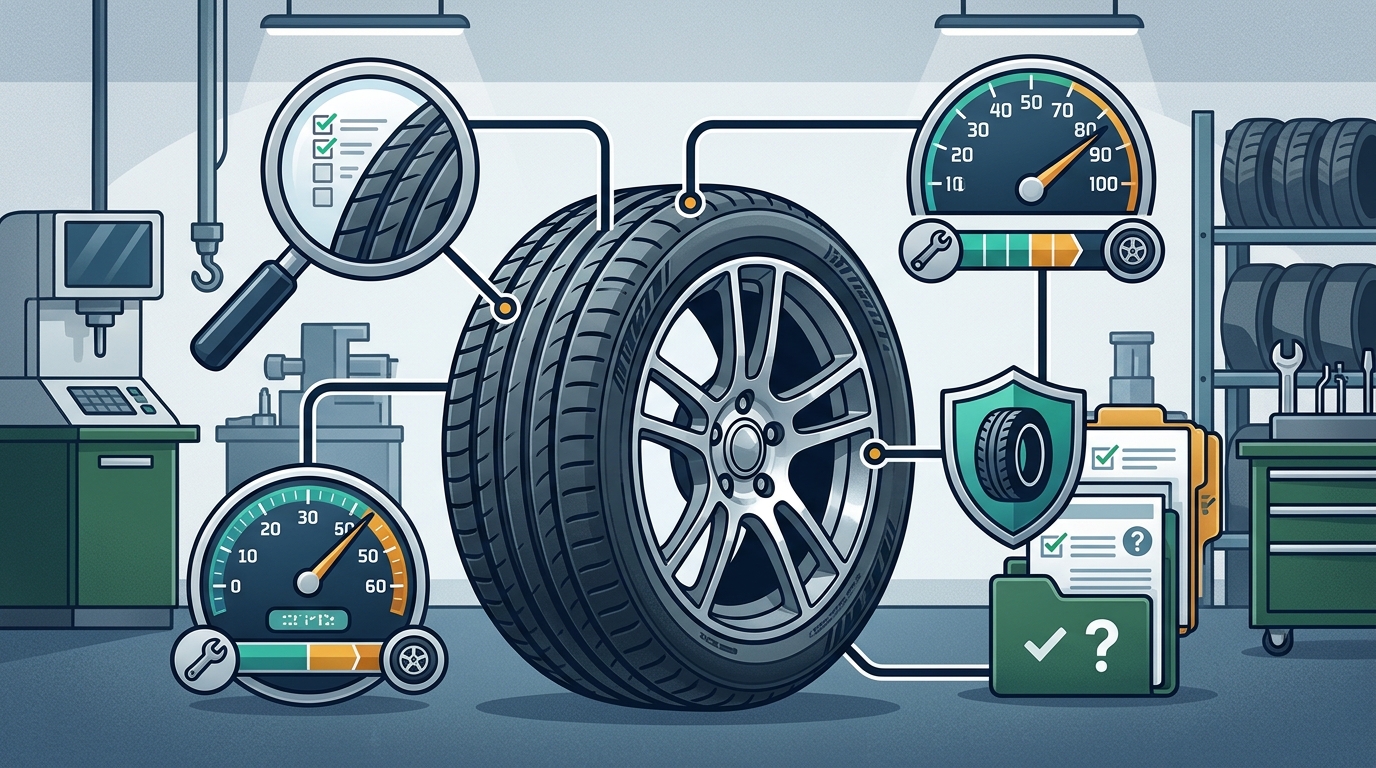
Key Takeaways
- Manufacturer warranties cover defects in materials and workmanship, while retailer warranties cover installation errors.
- Warranty lengths vary by tire type, with touring tires often offering longer coverage than performance tires.
- Improper inflation, road hazards, and lack of rotation are common exclusions that can void your warranty.
- Keep your purchase receipt and warranty documents in a safe place for easy access during a claim.
- Regular maintenance, such as tire rotations and pressure checks, helps maintain warranty validity and extends tire life.
- Document any suspected defects with photos and mileage records before initiating a claim.
Frequently Asked Questions
What does a standard tire warranty cover?
A standard tire warranty covers defects in materials and workmanship. This includes issues like tread separation or sidewall bubbles that result from manufacturing errors. It does not cover damage from road hazards or improper use.
How long do tire warranties typically last?
Tire warranties typically last between 20,000 and 80,000 miles, depending on the tire type. Premium touring tires often have longer warranties, while performance tires have shorter coverage periods.
Does the warranty cover road damage?
No, most tire warranties do not cover road damage. Damage from potholes, curbs, or debris is considered user error or external force and is not covered by the manufacturer's warranty.
What happens if I don't rotate my tires?
Failing to rotate your tires can lead to uneven wear, which may void your warranty. Manufacturers often require regular rotations to maintain warranty coverage, as uneven wear is a sign of improper maintenance.
Who handles the warranty claim process?
The retailer where you purchased the tires typically handles the initial claim process. They inspect the tire and coordinate with the manufacturer to arrange for a repair or replacement if the claim is approved.
Can I transfer my tire warranty to a new owner?
Generally, tire warranties are non-transferable. The warranty is tied to the original purchaser and the specific vehicle. If you sell your vehicle, the new owner does not inherit the remaining warranty coverage.
Conclusion
Understanding tire warranty protections is essential for making informed decisions and protecting your investment. By knowing the difference between manufacturer and retailer warranties, you can ensure that both the product and the installation are covered. Regular maintenance and proper documentation are key to keeping your warranty valid. For reliable tire services and expert guidance on warranty coverage, visit Redwood General Tire Pros in Redwood City, CA.