
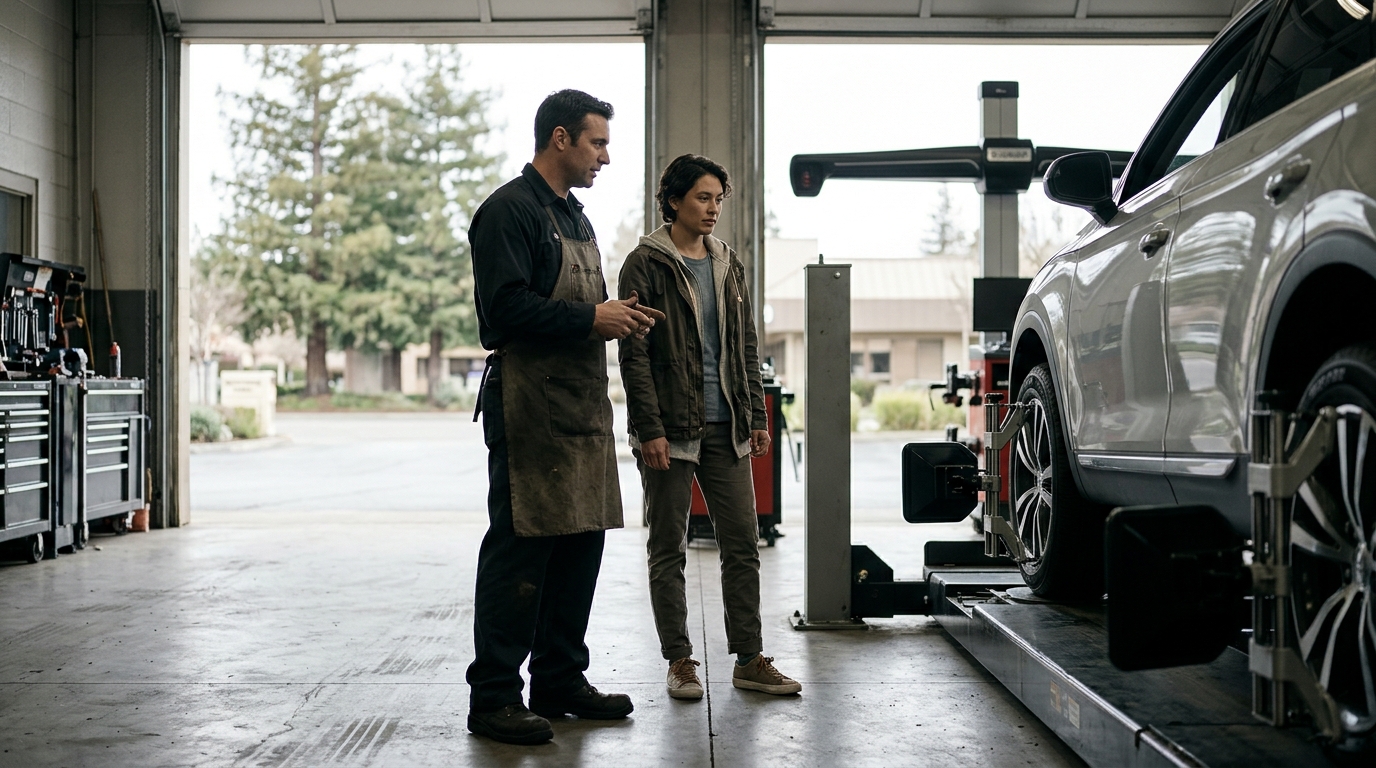
Wheel alignment pricing in Redwood City varies based on vehicle type, alignment complexity, and shop reputation. Redwood General Tire Pros offers transparent pricing structures for ASE-certified alignment services. Understanding these options helps drivers budget effectively for vehicle maintenance.
1. Standard Front-End Alignment
Best for: Most passenger sedans and compact cars. For additional details, review the Contact Us Redwood General.
This is the most common alignment service, adjusting only the front wheels. It is typically the most affordable option available at local shops. This service is ideal for vehicles that do not have independent rear suspension systems.
2. Four-Wheel Alignment
Best for: SUVs, trucks, and vehicles with independent rear suspension.
Four-wheel alignment adjusts all four wheels to manufacturer specifications. This option costs more than a front-end alignment but ensures even tire wear across the entire vehicle. It is essential for maintaining proper handling in larger vehicles.
3. Truck and SUV Alignment
Best for: Heavy-duty trucks and large sport utility vehicles.
Trucks and SUVs often require specialized alignment equipment due to their weight and suspension design. Pricing for these vehicles reflects the additional time and technical expertise required. This option ensures stability and safety for drivers hauling heavy loads.
4. Performance Vehicle Alignment
Best for: Sports cars and high-performance vehicles.
Performance alignment focuses on optimizing handling and cornering stability. This service may involve custom adjustments beyond standard factory settings. Drivers seeking enhanced driving dynamics should consider this premium option.
5. Alignment with Tire Rotation
Best for: Drivers wanting comprehensive tire care.
Bundling alignment with tire rotation offers a convenient maintenance package. This combination helps extend tire life by ensuring even wear distribution. It is a cost-effective way to maintain both alignment and tire health simultaneously.
6. Alignment with Wheel Balancing
Best for: Vehicles experiencing vibration or uneven wear.
Combining alignment with wheel balancing addresses both steering and ride quality issues. This service ensures smooth driving by correcting weight distribution on the wheels. It is recommended for drivers noticing shaking at highway speeds.
7. Digital Alignment with Report
Best for: Drivers who want detailed documentation.
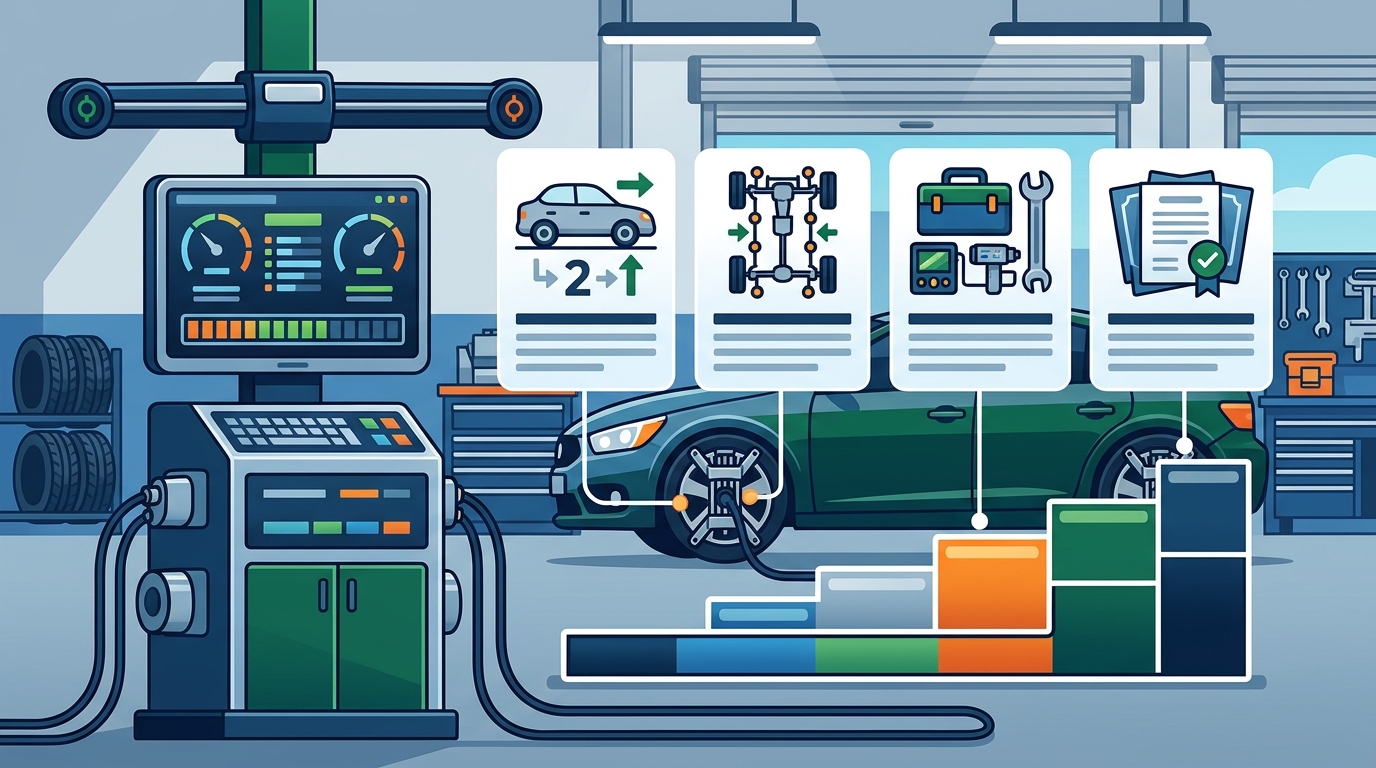
Digital alignment uses advanced computer systems to measure wheel angles precisely. This option includes a detailed report showing before and after measurements. It provides transparency and helps track vehicle alignment over time.
Choosing the Right Alignment Option
Select the alignment type that matches your vehicle's suspension design and driving needs. Consult with a certified technician to determine the best option for your specific car. Regular alignment checks help prevent costly tire replacements and ensure safe handling.
Frequently Asked Questions
How often should I get a wheel alignment in Redwood City?
It is generally recommended to check wheel alignment every two to three years, or sooner if you notice uneven tire wear or pulling.
What is the difference between front-end and four-wheel alignment?
Front-end alignment adjusts only the front wheels, while four-wheel alignment adjusts all four wheels to manufacturer specifications.
Does wheel alignment fix tire vibration?
Wheel alignment can help reduce vibration caused by improper wheel angles, but wheel balancing may also be needed to address weight distribution issues.
Is digital alignment better than manual alignment?
Digital alignment provides more precise measurements and detailed reports, making it easier to track alignment changes over time.
Can I get a wheel alignment without new tires?
Yes, wheel alignment can be performed on existing tires, but severely worn or damaged tires may need replacement first for accurate results.
How long does a wheel alignment take?
A standard wheel alignment typically takes 30 to 60 minutes, depending on the vehicle type and alignment complexity.