
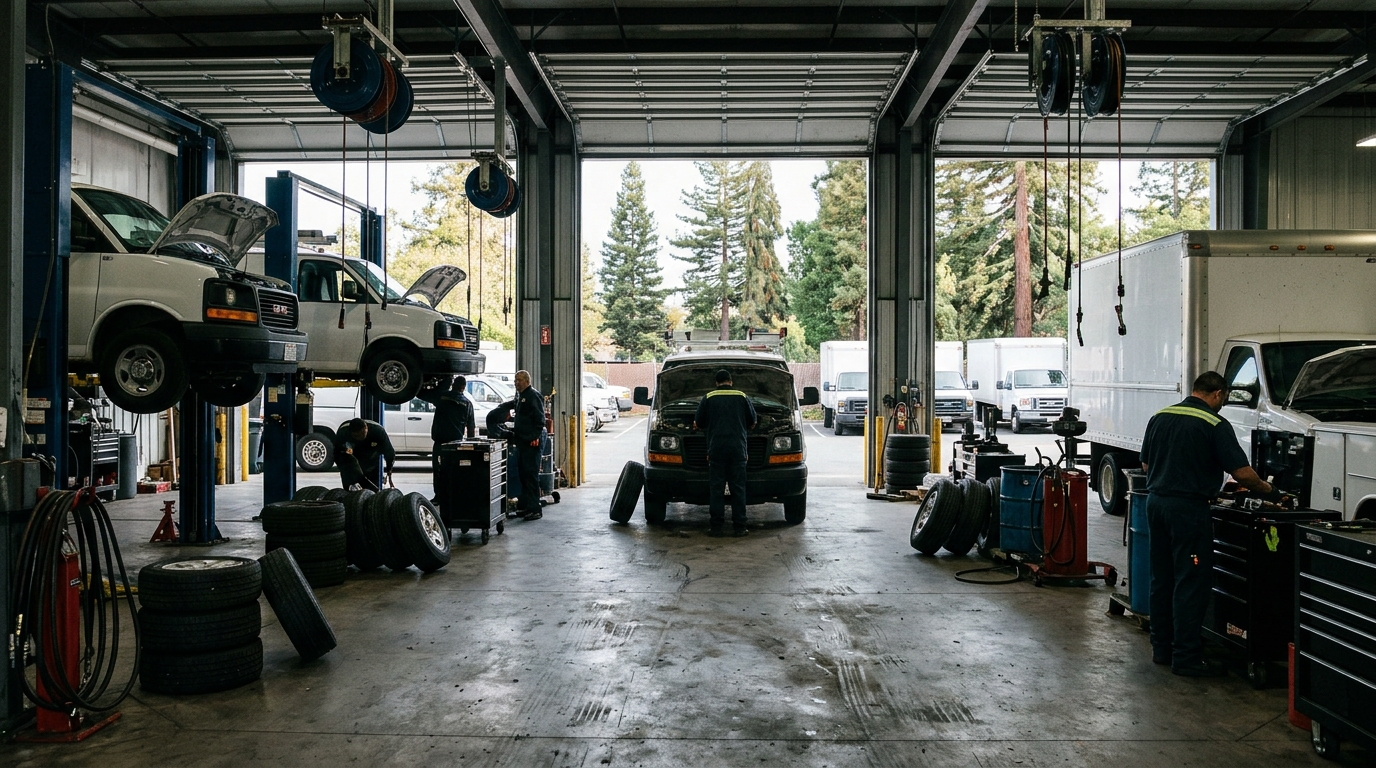
Setting up a preventive maintenance program for company vehicles in Redwood City requires a structured approach to scheduling, parts sourcing, and technician expertise. Redwood General Tire Pros, a family-owned shop since 1957, provides the technical foundation necessary to keep fleet vehicles operational. By aligning maintenance intervals with local driving conditions, fleet managers can reduce downtime and extend asset life. This guide outlines the critical steps for establishing a reliable maintenance framework.
Establishing Baseline Maintenance Intervals
Preventive maintenance is a systematic approach to vehicle care that aims to prevent breakdowns before they occur. For fleet managers, the first step is defining baseline intervals for routine services. Most manufacturers recommend oil changes and tire rotations every 5,000 to 7,000 miles, but fleet vehicles often require more frequent attention due to higher utilization rates. Redwood General Tire Pros recommends aligning these intervals with the specific duty cycle of your vehicles. For example, vehicles operating primarily on the Peninsula's stop-and-go traffic may need brake inspections more often than those on highway routes.
Creating a standardized schedule ensures consistency across the fleet. This baseline should include fluid checks, filter replacements, and visual inspections. By establishing these core intervals, you create a predictable maintenance rhythm that simplifies budgeting and planning.
Addressing Local Driving Conditions
The San Francisco Peninsula presents unique environmental challenges that impact vehicle longevity. Redwood City's proximity to the coast means vehicles are exposed to salt air and humidity, which can accelerate corrosion on undercarriages and wheel components. Additionally, the frequent temperature fluctuations between foggy mornings and sunny afternoons stress cooling systems and batteries. Fleet managers must account for these factors when designing their maintenance protocols.
Regular wheel alignment and balancing are particularly important in this region. Uneven road surfaces and potholes can misalign wheels, leading to premature tire wear. Redwood General Tire Pros offers specialized wheel alignment services that ensure vehicles handle correctly and tires wear evenly. By addressing local road conditions proactively, you protect your investment in tires and suspension components.
Implementing Digital Tracking Systems
Manual record-keeping is insufficient for modern fleet management. Implementing a digital tracking system allows you to monitor vehicle health in real time. These systems can log service history, track mileage, and send automated reminders for upcoming maintenance tasks. Integration with telematics data can further enhance this process by providing insights into driving behavior and vehicle performance.
At Redwood General Tire Pros, we utilize state-of-the-art diagnostic equipment to identify potential issues before they become critical. When you bring your fleet vehicles to us, our technicians can input service data directly into your tracking system. This seamless integration ensures that your records are always up to date and accessible to all relevant stakeholders.
Optimizing Parts and Service Sourcing
Sourcing high-quality parts is essential for maintaining fleet reliability. Using OEM or equivalent quality parts ensures that repairs meet manufacturer specifications. Redwood General Tire Pros is an authorized distributor of leading tire and wheel brands, providing access to premium components that enhance vehicle performance. We also offer a wide range of auto repair services, from brake repairs to engine diagnostics, ensuring that all maintenance needs are handled in one location.
Building a strong relationship with a trusted service provider can lead to better pricing and priority scheduling. Redwood General Tire Pros has served the Redwood City community for decades, offering competitive rates and flexible appointment options. By consolidating your fleet services with a single provider, you can streamline operations and reduce administrative overhead.
Training Drivers for Vehicle Care
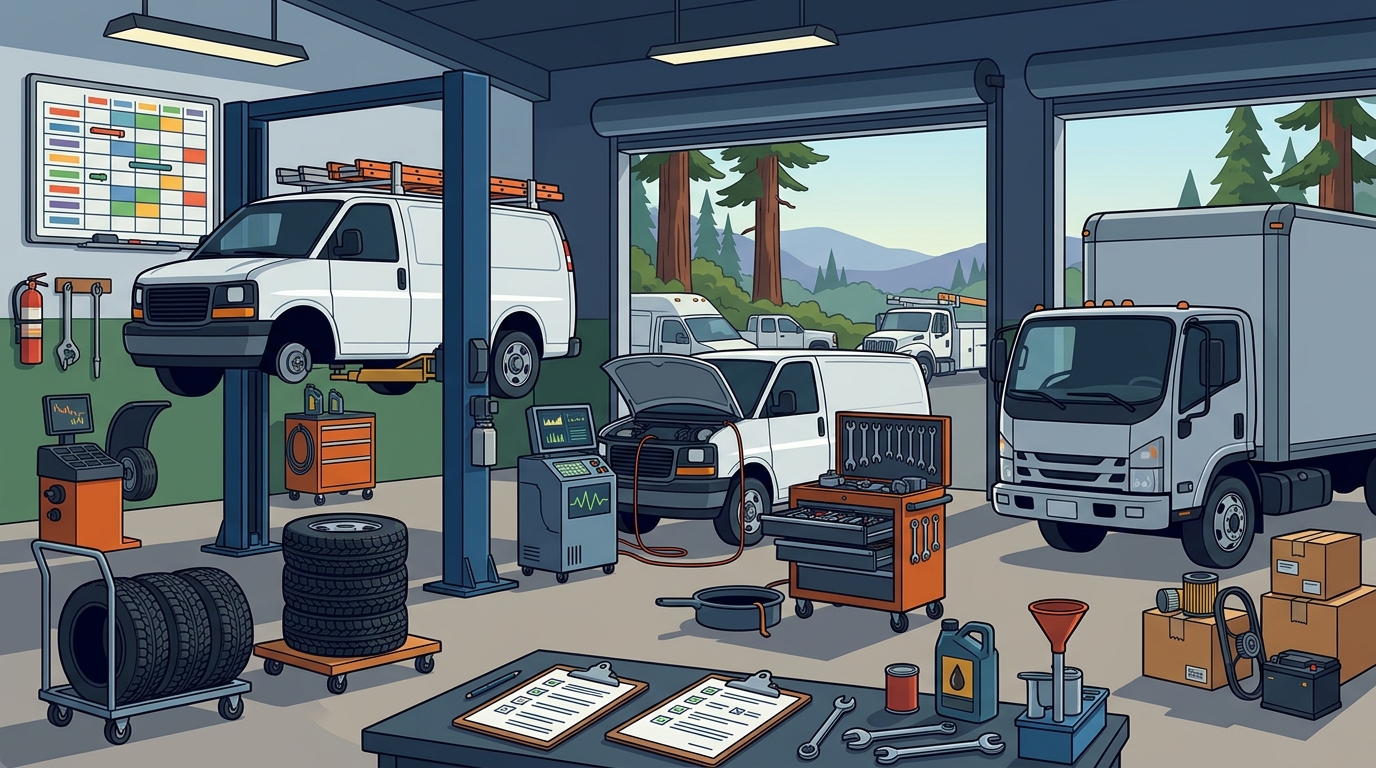
Preventive maintenance is not solely the responsibility of technicians; drivers play a crucial role in vehicle preservation. Training drivers to perform basic checks, such as tire pressure and fluid levels, can help identify issues early. Implementing a driver feedback loop allows you to capture real-time reports of unusual noises, warning lights, or handling changes. This information can be used to adjust maintenance schedules and address emerging problems.
Redwood General Tire Pros encourages fleet managers to educate their drivers on the importance of regular maintenance. By fostering a culture of vehicle care, you can reduce the frequency of minor repairs and extend the overall lifespan of your fleet. Our team is available to provide guidance on best practices for daily vehicle inspections.
Key Takeaways
- Define baseline maintenance intervals based on manufacturer recommendations and fleet duty cycles.
- Account for local environmental factors, such as salt air and temperature fluctuations, in your maintenance plan.
- Implement digital tracking systems to monitor vehicle health and automate service reminders.
- Source high-quality parts from trusted providers like Redwood General Tire Pros to ensure reliability.
- Train drivers to perform basic checks and report issues promptly to support preventive maintenance efforts.
- Consolidate services with a single provider to streamline operations and reduce administrative costs.
Frequently Asked Questions
How often should fleet vehicles undergo preventive maintenance?
Fleet vehicles should undergo preventive maintenance every 5,000 to 7,000 miles, or as recommended by the manufacturer. High-utilization vehicles may require more frequent service intervals to account for increased wear and tear.
What are the benefits of a preventive maintenance program?
A preventive maintenance program reduces downtime, extends vehicle lifespan, and lowers long-term repair costs. It also improves safety and ensures consistent performance across the fleet.
How can I track maintenance for multiple vehicles?
Use a digital fleet management system to track maintenance schedules, service history, and mileage. These systems can integrate with diagnostic tools to provide real-time insights into vehicle health.
What role do local driving conditions play in maintenance?
Local conditions, such as salt air and temperature fluctuations, can accelerate wear on vehicle components. Adjusting maintenance intervals to account for these factors helps protect your fleet from premature damage.
Why is wheel alignment important for fleet vehicles?
Wheel alignment ensures that tires wear evenly and vehicles handle correctly. Misaligned wheels can lead to uneven tire wear, reduced fuel efficiency, and increased safety risks.
How can I find a reliable service provider for my fleet?
Look for a provider with a strong local reputation, ASE-certified technicians, and a wide range of services. Redwood General Tire Pros has been serving Redwood City since 1957, offering comprehensive auto repair and tire services.
Conclusion
Setting up a preventive maintenance program for your fleet in Redwood City requires a strategic approach that considers local conditions, digital tracking, and trusted service providers. By implementing the strategies outlined in this guide, you can reduce downtime and extend the life of your vehicles. Redwood General Tire Pros is committed to supporting your fleet with expert care and reliable service. To get started, schedule an appointment with our team today.