
What to Expect During a Professional Engine Diagnostic Appointment
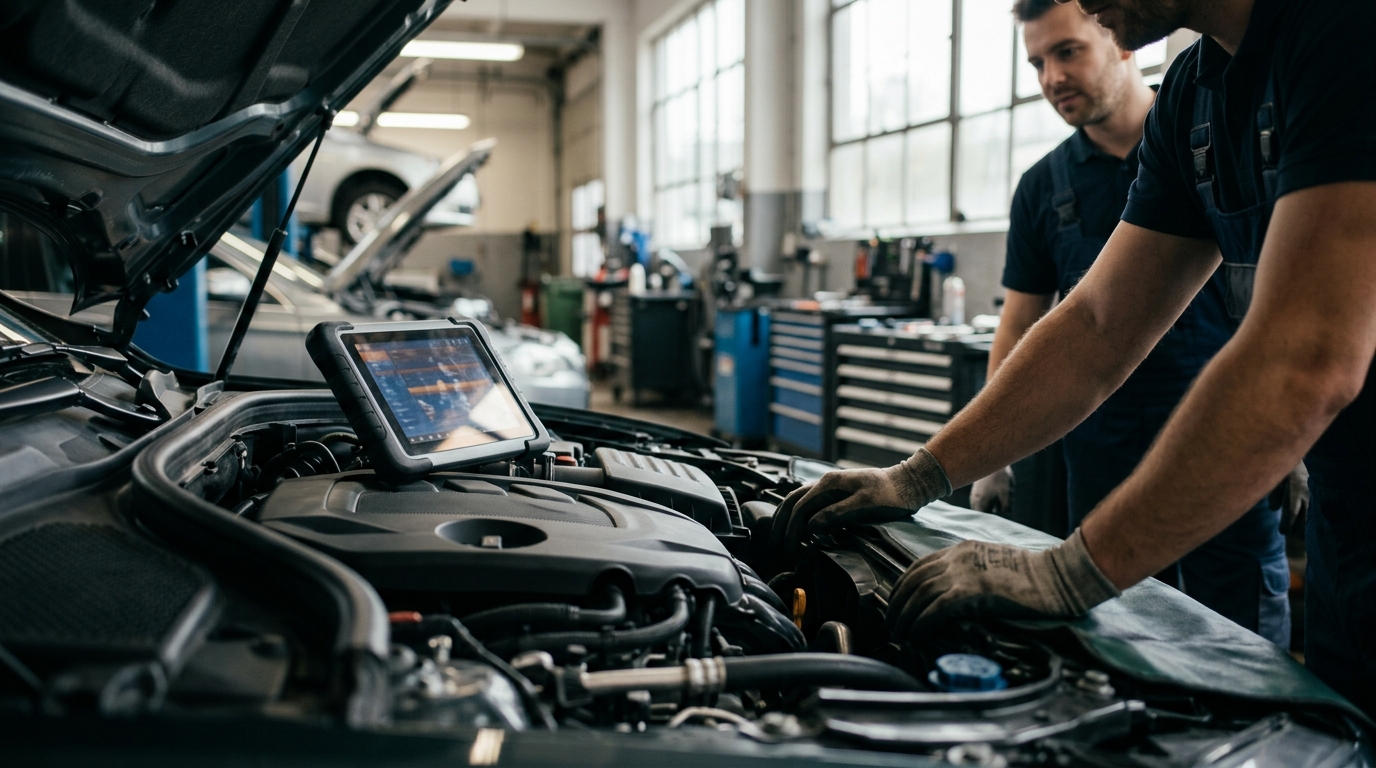
During a professional engine diagnostic appointment, technicians use advanced OBD-II scanners to read fault codes, perform live data analysis, and conduct physical inspections. This process identifies the root cause of engine issues, such as misfires or sensor failures, rather than just treating symptoms. At Redwood General Tire Pros in Redwood City, our ASE-certified team ensures you receive a clear, accurate diagnosis before any repair work begins.
The Initial Vehicle Inspection and Code Reading
The diagnostic process begins with a visual and physical inspection of the engine bay. Technicians look for obvious issues like fluid leaks, cracked hoses, or loose connections. This step is crucial because some problems are visible to the naked eye and do not trigger a check engine light. For example, a leaking coolant hose might cause overheating without setting a specific diagnostic code.
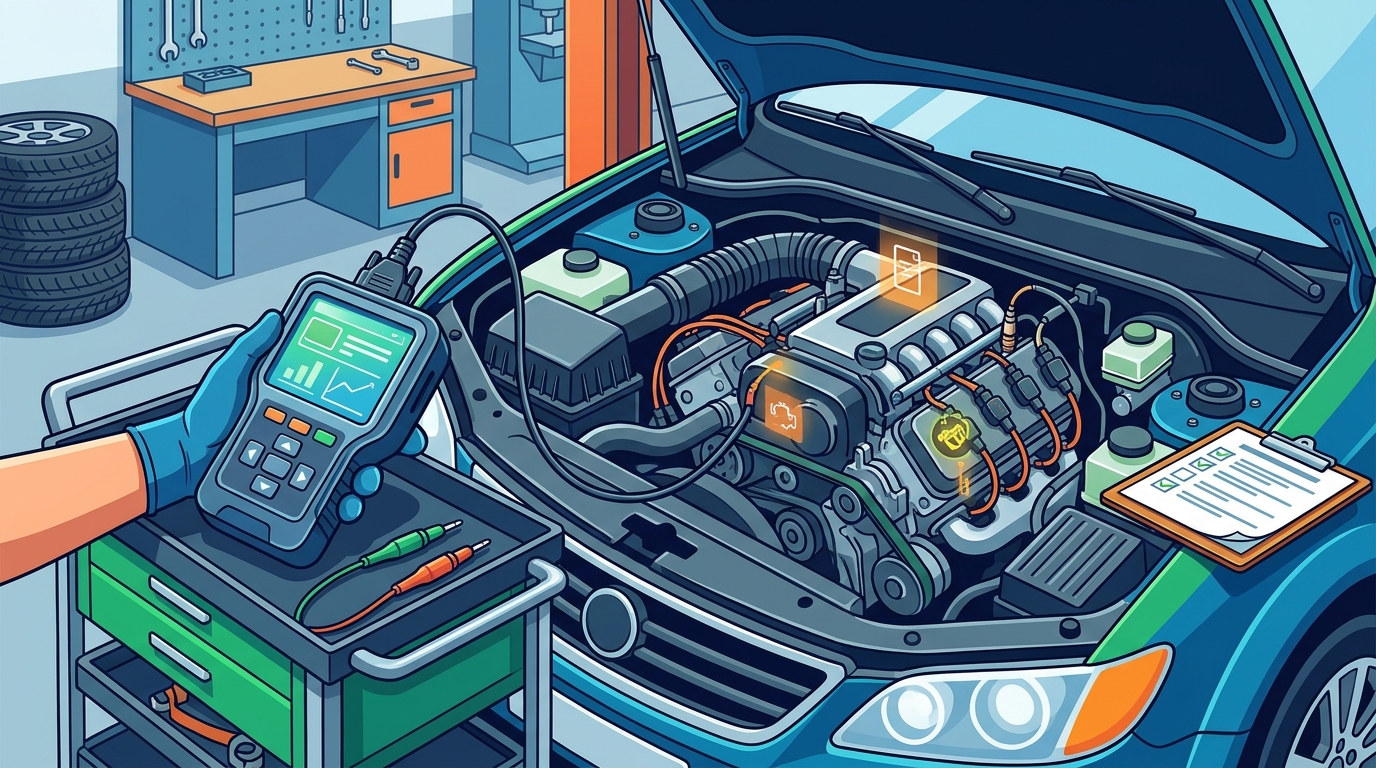
Next, the technician connects a diagnostic scanner to the vehicle's OBD-II port. This device reads stored Diagnostic Trouble Codes (DTCs) from the engine control module. A DTC is a standardized code that indicates a specific malfunction in the vehicle's systems. Reading these codes provides the initial clue, but it is not the final answer. Technicians must interpret the codes in the context of the vehicle's symptoms and history.
Live Data Analysis and System Testing
Once codes are read, the technician moves to live data analysis. This involves monitoring real-time inputs from various sensors, such as the oxygen sensor, mass airflow sensor, and coolant temperature sensor. By observing how these sensors behave while the engine is running, the technician can identify intermittent faults that static codes might miss. For instance, a fluctuating oxygen sensor reading can indicate a failing catalytic converter or a vacuum leak.
System testing may also include checking fuel pressure, ignition coil resistance, and battery health. These tests verify that the engine's supporting systems are functioning within manufacturer specifications. If a sensor reads out of range, the technician can determine whether the sensor itself is faulty or if the underlying mechanical issue is causing the abnormal reading. This step prevents unnecessary part replacements and ensures the correct repair is performed.
Physical Verification and Road Testing
Diagnostic tools provide data, but physical verification confirms the findings. Technicians often perform a road test to replicate the driver's reported symptoms, such as hesitation, stalling, or rough idling. During this test, they monitor live data to see how the engine responds under different loads and speeds. This hands-on approach is essential for diagnosing issues that only occur during specific driving conditions.
Additionally, technicians may perform compression tests or leak-down tests to assess the mechanical health of the engine cylinders. These tests measure the internal pressure within each cylinder, revealing problems like worn piston rings or damaged valves. By combining electronic data with physical tests, the technician builds a comprehensive picture of the engine's condition. This thorough approach ensures that the diagnosis is accurate and reliable.
Reviewing Findings and Discussing Repair Options
After completing the diagnostic process, the technician reviews the findings with you. They explain the root cause of the issue, the recommended repairs, and the estimated cost. This discussion is a critical part of the appointment, as it allows you to make informed decisions about your vehicle's maintenance. At Redwood General Tire Pros, we prioritize transparency and clear communication, ensuring you understand the necessity of each recommended repair.
You may also receive a written diagnostic report detailing the codes read, tests performed, and findings. This document serves as a record of the diagnostic process and can be useful for future reference or insurance claims. If the issue is complex, the technician may recommend additional testing or a follow-up appointment. This collaborative approach ensures that your vehicle receives the right care at the right time.
Key Takeaways
- Professional diagnostics involve code reading, live data analysis, and physical testing.
- DTCs provide initial clues but require interpretation to identify root causes.
- Live data monitoring helps detect intermittent faults that static codes miss.
- Road tests and compression tests verify electronic findings with physical evidence.
- Clear communication of findings and repair options is essential for informed decisions.
- A written diagnostic report provides a record of the process and findings.
Frequently Asked Questions
How long does an engine diagnostic appointment take?
A standard engine diagnostic appointment typically takes 30 to 60 minutes. Complex issues may require additional time for thorough testing and verification. The duration depends on the vehicle's make, model, and the nature of the problem.
Do I need to be present during the diagnostic process?
You do not need to be present for the entire process, but you should be available for the final review. The technician will explain the findings and recommended repairs when you are ready to discuss them. You can wait in the shop or return later for the consultation.
What is the difference between a diagnostic and a repair?
A diagnostic identifies the cause of a vehicle issue, while a repair fixes the problem. Diagnostics are a separate service that provides a clear understanding of what needs to be repaired. This separation ensures that you only pay for the necessary repairs.
Can a diagnostic detect all engine problems?
While diagnostics are highly effective, they may not detect every mechanical issue. Some problems, like worn engine mounts or subtle timing issues, may require physical inspection or specialized testing. A thorough diagnostic process combines electronic and physical methods to maximize accuracy.
How much does an engine diagnostic cost?
Diagnostic costs vary based on the vehicle and the complexity of the issue. At Redwood General Tire Pros, we provide transparent pricing and clear estimates before any work begins. Contact us for a specific quote tailored to your vehicle's needs.
Next Steps for Your Vehicle
If your check engine light is on or you are experiencing unusual engine behavior, it is time to schedule a professional diagnostic. At Redwood General Tire Pros, our ASE-certified technicians use state-of-the-art tools to provide accurate and reliable diagnoses. We are committed to helping you maintain your vehicle's performance and safety. To book your appointment, schedule an appointment with our team today.